Buying a car in Spain as a foreigner: the full process
In short
Yes, foreigners can buy a car in Spain, resident or not. You need a NIE and a Spanish address to put the car in your name at the DGT, and the change of ownership must be requested within 30 days of signing the contract. Buy from a dealer and the price includes VAT; buy privately and you pay transfer tax (ITP) to your region before the DGT will register you as the owner.
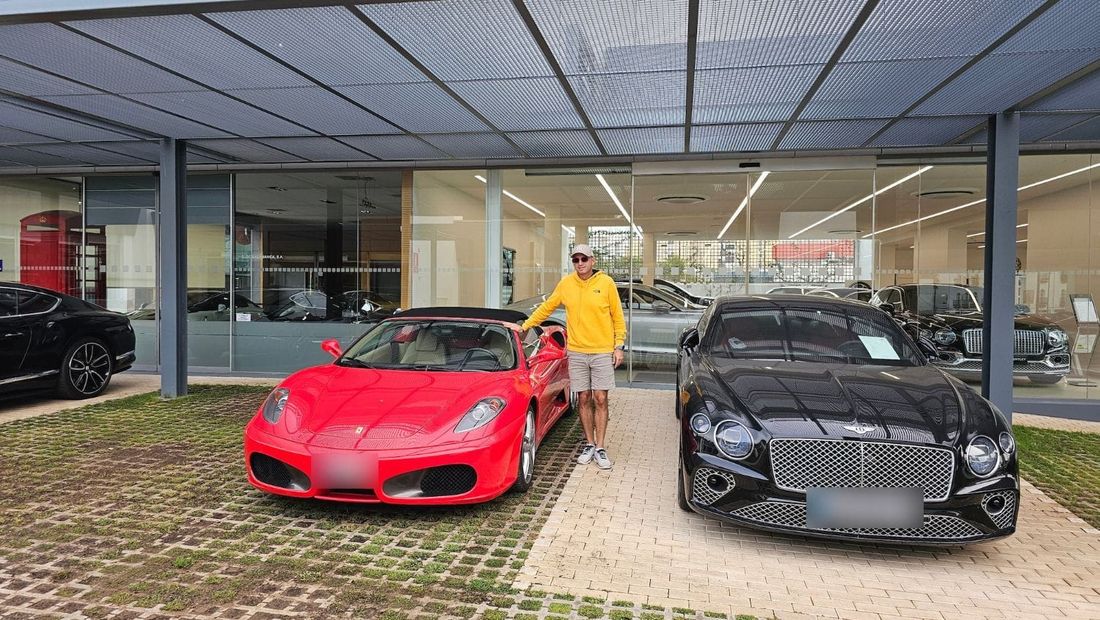
Buying a car in Spain as a foreigner is entirely possible, whether you live here full time, own a holiday home or visit a few times a year. The process is different from the UK or Germany, though. Ownership is recorded by the DGT (Dirección General de Tráfico), tax on private sales is paid to your autonomous community, and the paperwork has strict deadlines. This guide walks through each step in the order you will meet it.
Residents and non-residents: what changes
Anyone can buy a car in Spain. What matters is whether you can put it in your name and keep it legal on the road.
- Residents register the car using their NIE and residence card (TIE or EU registration certificate). The address on the vehicle record is normally the one on your empadronamiento, the town hall register.
- Non-residents can also own a Spanish-registered car. You identify yourself with your passport plus NIE, and you need a Spanish address for the vehicle record, where the municipal road tax (IVTM) is charged and notices are sent. A property deed or rental contract is the usual route, but practice varies, so check with your local DGT office or a gestoría before you commit.
If you are moving to Spain and are about to become resident, it is often simpler to complete the move first, so that the car, your insurance and your driving licence all line up with your Spanish address.
Get your NIE before you shop
The NIE (Número de Identidad de Extranjero) is your tax identification number in Spain. The DGT will not register a car in your name without it, and neither the tax office nor most insurers can process your purchase without it either. If you do not already have one, apply early: appointments at the police foreigners’ offices can take weeks to get, and consulates abroad have their own waiting times.
Dealer or private sale
Buying from a dealer (concesionario or compraventa)
- The price includes VAT (IVA) or is sold under the used-goods margin scheme. Either way, you do not pay transfer tax (ITP) on top.
- A business selling to a consumer must give a legal guarantee. For a used car the parties can agree a shorter period than the standard three years, but not less than one year from delivery.
- Most dealers handle the DGT transfer for you, usually through their own gestoría.
Buying from a private seller (particular)
- No consumer guarantee. Your protection is limited to hidden-defect claims under the Civil Code, which are harder to win.
- You, as buyer, pay ITP to your region. In Andalucía the general rate for used cars is 4%, rising to 8% for cars over 15 fiscal horsepower. Our car transfer tax guide explains how the taxable value is worked out.
- You must organise the tax return and the DGT transfer yourself, or pay a gestoría to do it.
For luxury, sports and classic cars, the best example of the model you want is often in a private garage or with a specialist, not on a main dealer forecourt. Private sales can be excellent value; they just need more checking.
Checks before you pay anything
Do these before signing or handing over a deposit:
- Order a full DGT vehicle report. The free short report tells you whether anything would block a transfer. The full report (8.67 euros) shows the number of previous owners, ITV history and mileage readings, and any charges such as embargoes or a finance reservation of title. See our guide on checking a car’s history in Spain.
- Match the documents to the car. The VIN (número de bastidor) on the chassis and windscreen must match the permiso de circulación and the ficha técnica (ITV card). The seller’s ID should match the registered owner.
- Check the ITV is valid. A car with an expired ITV can be transferred, but the new registration certificate is only valid with a current ITV.
- Look at the service history. Stamped books, main dealer invoices and the manufacturer’s digital records all count. Gaps on a high-performance car are expensive gaps.
- Get an independent inspection. For anything valuable, have a marque specialist inspect the car and run a diagnostic scan. A test drive alone does not find a tired gearbox or hidden accident repair.
The purchase contract
A private sale needs a written contrato de compraventa signed by both parties on every page. The DGT publishes a model contract, but for a high-value car it is worth a fuller, bilingual version. It should include:
- Full names, ID numbers (DNI or NIE) and addresses of buyer and seller
- Make, model, registration number, VIN and current mileage
- The agreed price and how it is paid
- The date and time of handover (this matters for fines and liability)
- A statement that the seller knows of no charges, embargoes or unpaid taxes, or a clear description of any that exist
- Any known faults, and what is included (spare keys, books, accessories)
From a dealer, you receive an invoice (factura) rather than a private contract. Read the guarantee terms carefully.
Paying safely
In Spain, payments of 1,000 euros or more cannot be made in cash where one party is a business or professional, so dealer purchases are paid by bank transfer, card or banker’s draft. In a private sale, a bank transfer or a bank-issued cheque leaves a clear trail and supports the price you declare for tax. Never pay a deposit to someone you have not met for a car you have not seen, and never release the full price before you hold the signed contract, all the keys and the original documents.
Transfer tax and the DGT change of ownership
Once the contract is signed, the clock starts.
- Pay or declare the transfer tax. On a private sale, the buyer files the regional ITP return. Many regions use Modelo 620; Andalucía uses its own Modelo 621. Andalucía allows two months to file, other regions are often shorter, but in practice you need the receipt within the DGT’s 30 days.
- The seller notifies the sale. The seller should file a notificación de venta with the DGT straight away. It protects them from fines incurred after the handover.
- Request the cambio de titularidad. The buyer must apply within 30 days of the contract. You can do it online with a digital certificate or Cl@ve, in person at a DGT office by appointment, or through a gestoría. The fee (tasa 1.5) is 55.70 euros for a car. You will need the contract signed on every page, your ID (passport plus NIE if you are not Spanish), the paid fee and the ITP receipt.
The DGT will refuse the transfer if there is an active finance reservation of title (unless you formally take over the debt), and the previous year’s road tax and any sanctions must be settled. A precinto (seizure order) stops the car being driven at all until it is lifted.
Insurance and ITV
Third-party motor insurance is compulsory in Spain, and you cannot legally drive away uninsured. Arrange cover to start the moment you take the car. Foreign no-claims history is not always recognised, so get quotes before you buy; a powerful car with a new-to-Spain driver can cost more than you expect.
The ITV is Spain’s roadworthiness test. Passenger cars are first tested at four years old, then every two years until they are ten, then every year. Keep the sticker on the windscreen and the report in the car.
Common scams to avoid
- The car is “abroad” or “with a shipping company”. You are asked for a deposit or full payment through an escrow service you have never heard of. The car does not exist.
- Price far below market. A rare car at a bargain price with an urgent story attached is almost always a lure.
- Seller is not the owner. The name on the permiso de circulación does not match the seller’s ID, and there is a reason why. Walk away unless it is a documented authorisation.
- Clocked mileage. The odometer reading is lower than a previous ITV reading on the DGT report.
- Outstanding finance or embargo. A car with a reservation of title cannot be transferred until the lender cancels it. A full DGT report shows this before you pay.
- Cloned cars. Plates and documents copied from a legitimate car of the same model. Check the VIN in several places on the car, not just on paper.
How we can help
We work only for the buyer. We source the car, have it inspected, run the DGT checks, negotiate in Spanish and handle the paperwork with a trusted gestoría, from your NIE to the bilingual contract, transfer tax and DGT registration. See our negotiation and paperwork service, or contact us to talk about the car you are looking for.
Sources
- DGT: transferencia o cambio de titularidad de un vehículo
- DGT: transferencia de vehículos con cargas financieras
- DGT: informe de un vehículo
- Ley 5/2021 de Tributos Cedidos de Andalucía (BOE, consolidated text)
- Ministerio de Consumo: legal guarantee extended to three years
- Agencia Tributaria de Andalucía